
Taha El-Kourany
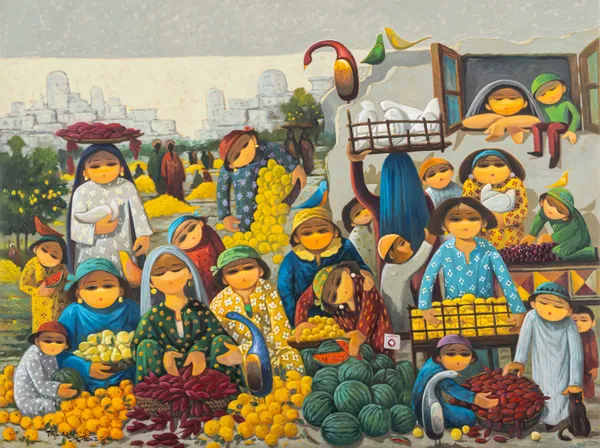
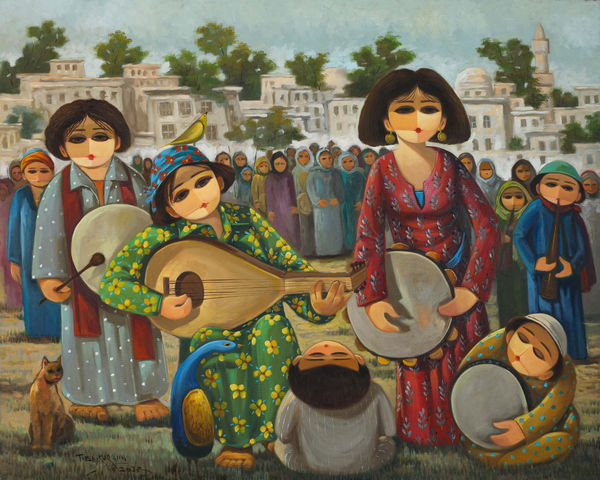
Taha El-Kourany (b. 1965, Giza, Egypt) is an Egyptian painter and muralist whose practice examines collective memory through the rituals, gatherings, and shared visual culture of Egyptian society. Working across large-scale canvases and monumental murals, his compositions transform everyday scenes into structured fields of rhythm, repetition, and communal presence.
A graduate of the Faculty of Applied Arts (Décor Department), where he later earned a Master’s degree in Décor, El-Kourany’s academic formation in spatial design continues to inform the architectural clarity of his compositions. His experience as an educator and art consultant further shaped a practice grounded in visual communication and public engagement.
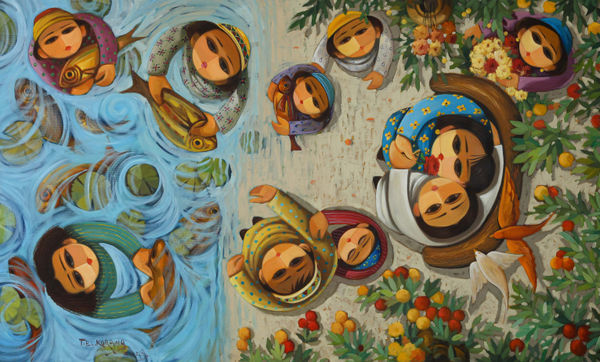
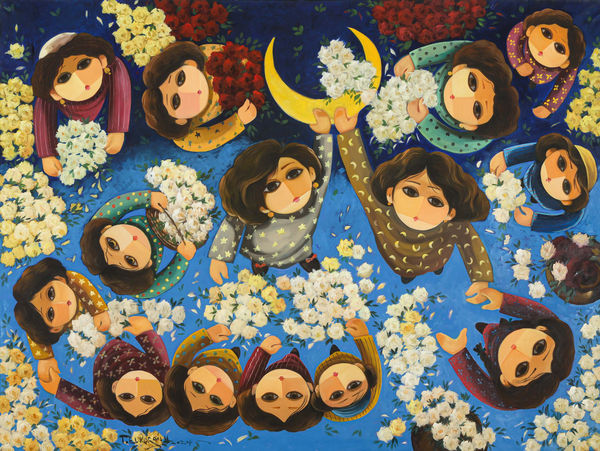
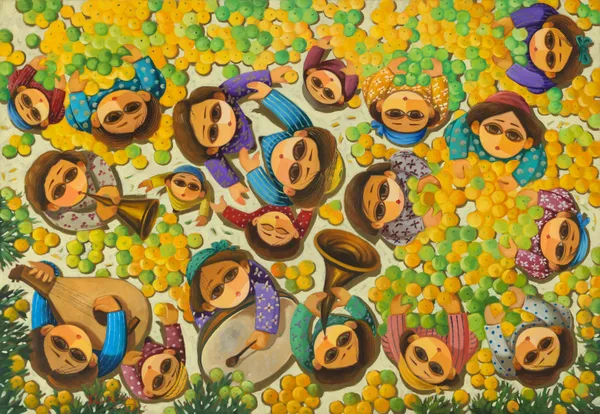
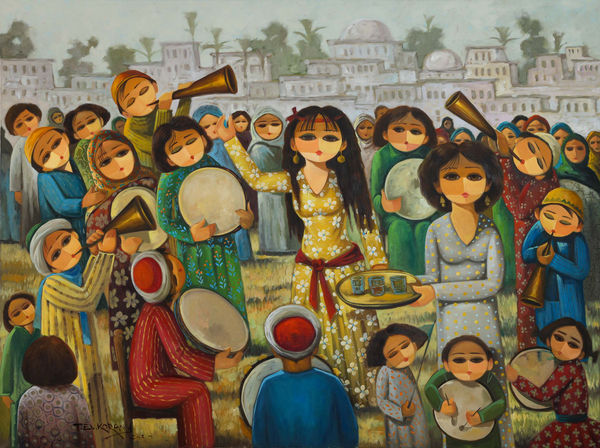
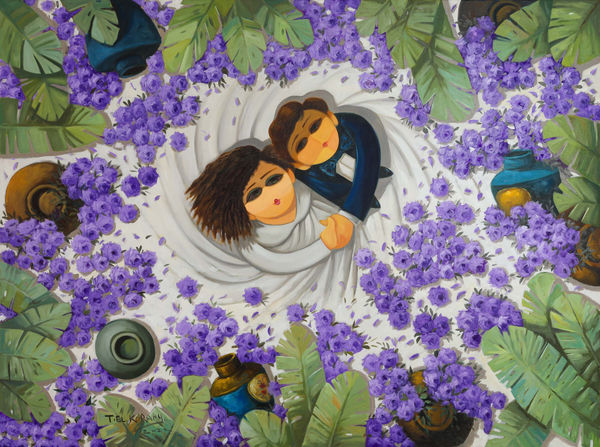
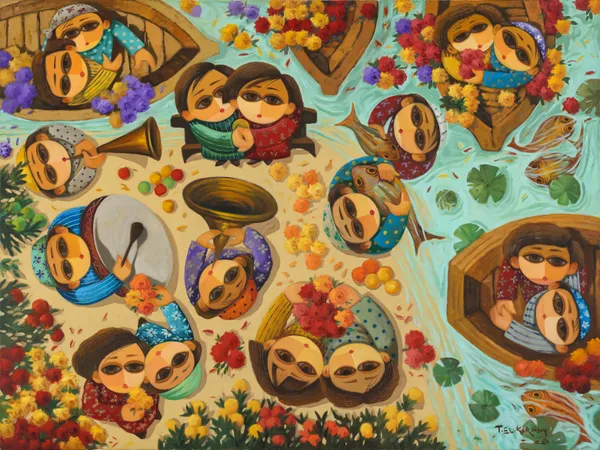
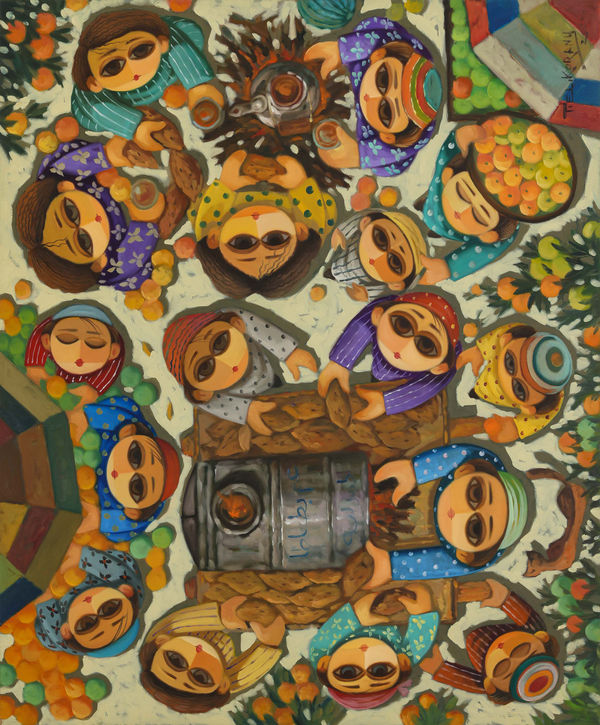
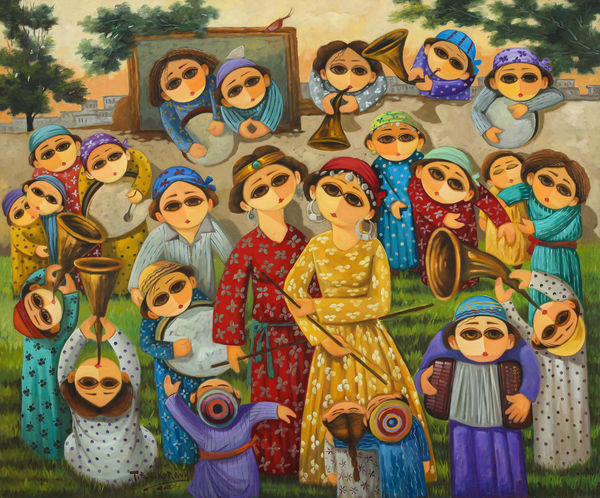
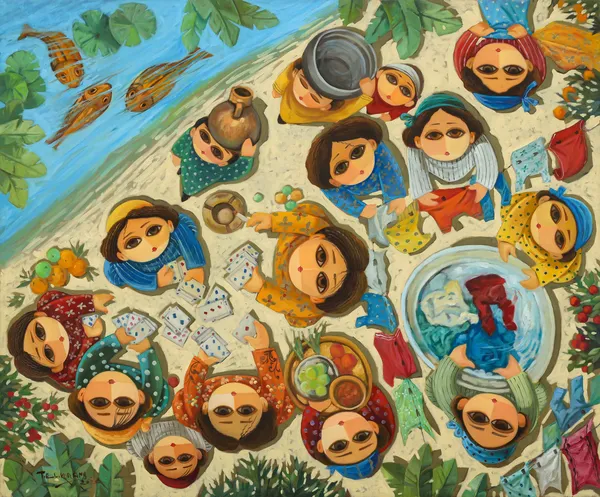
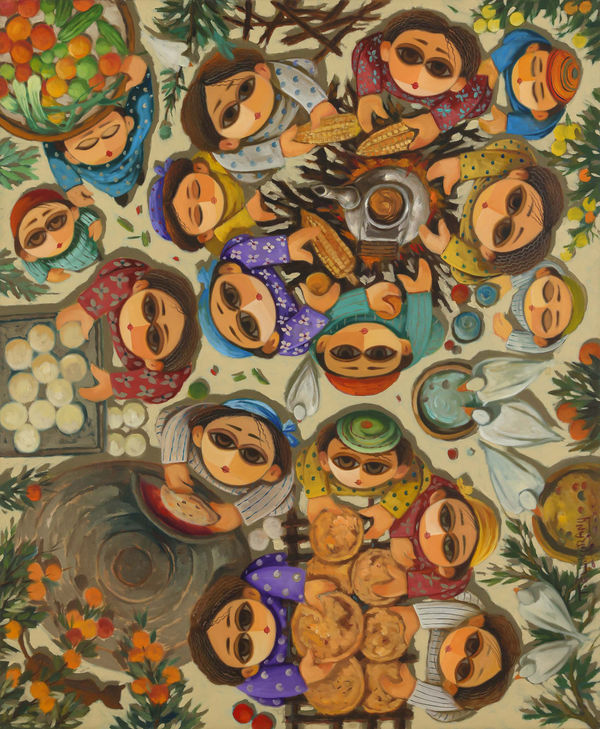
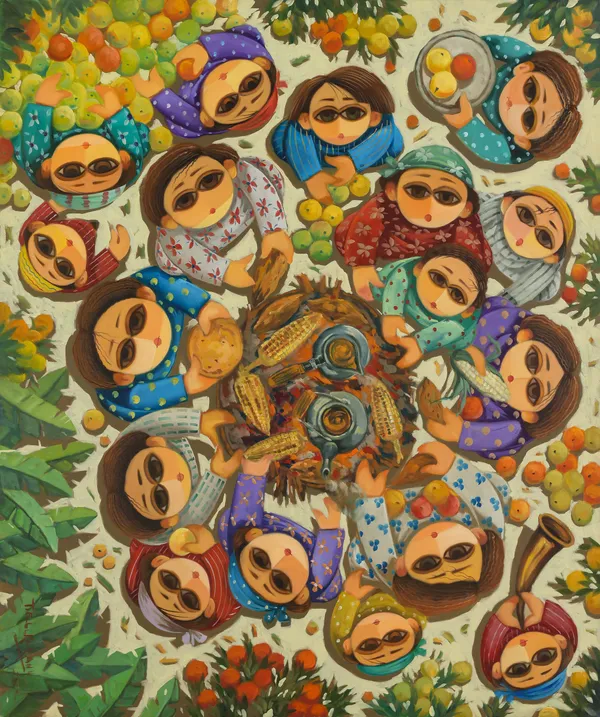
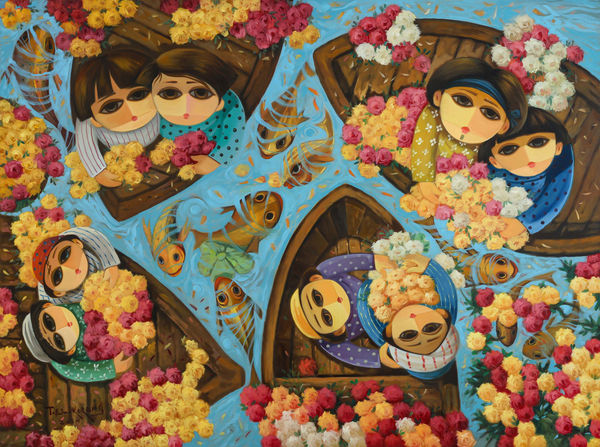
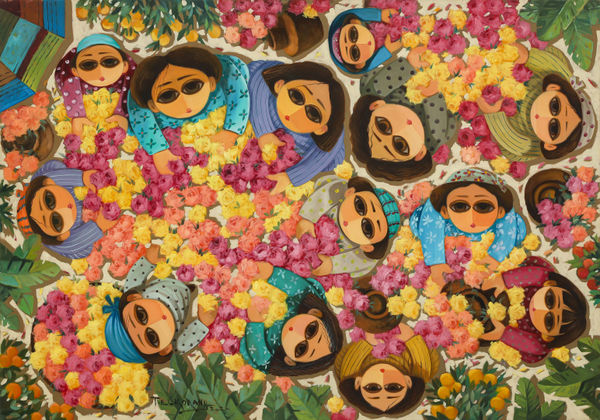
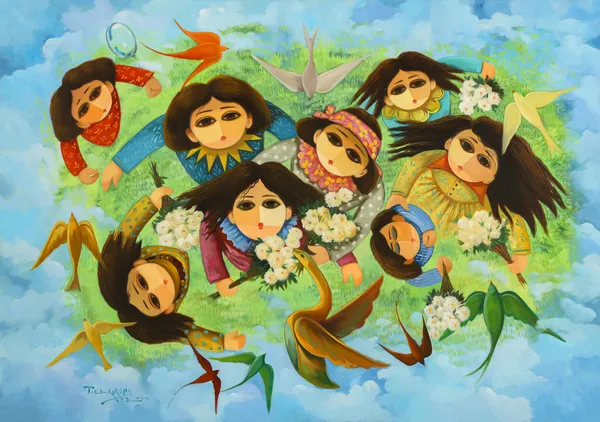
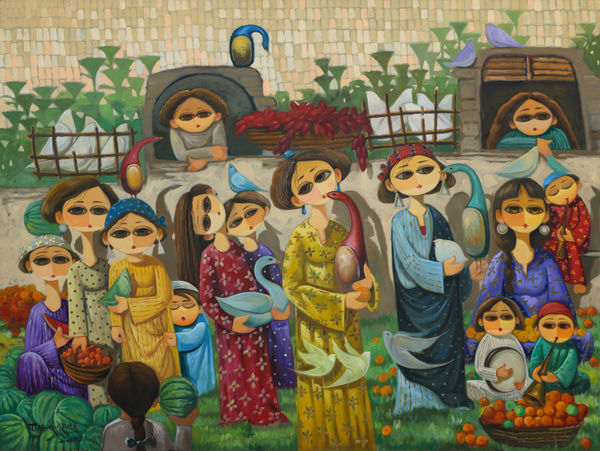
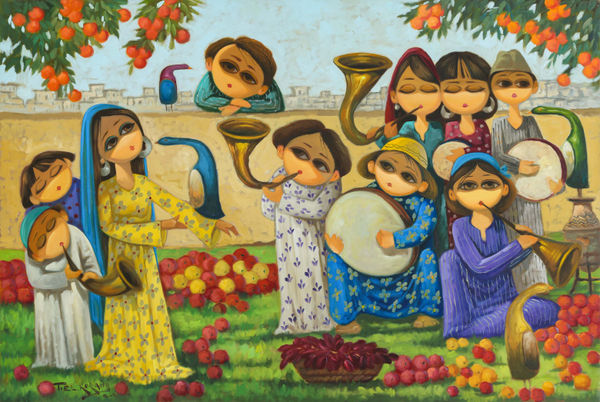
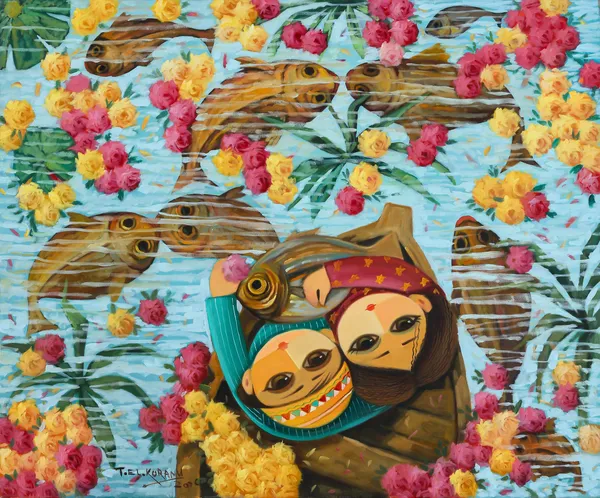
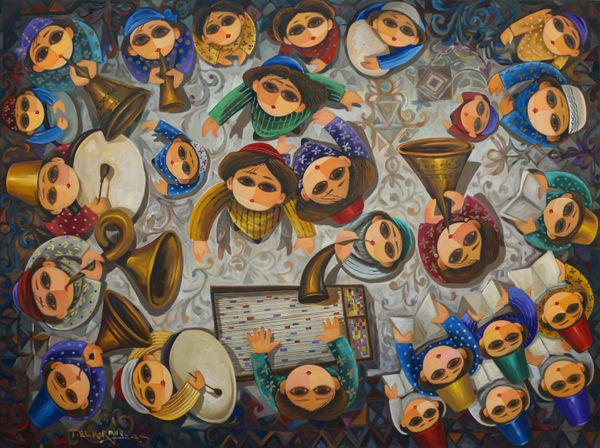
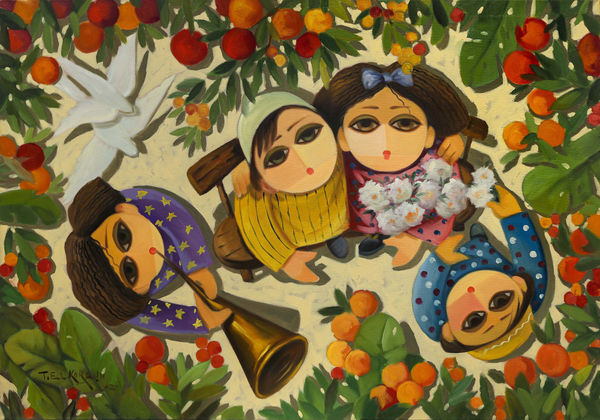
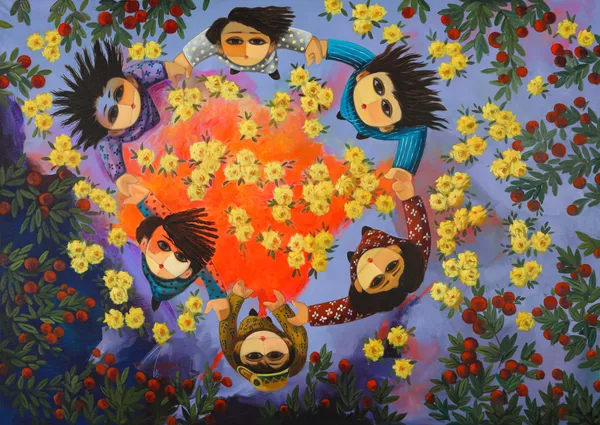
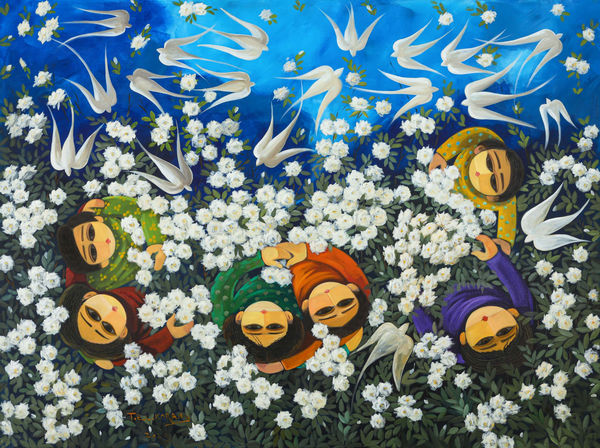
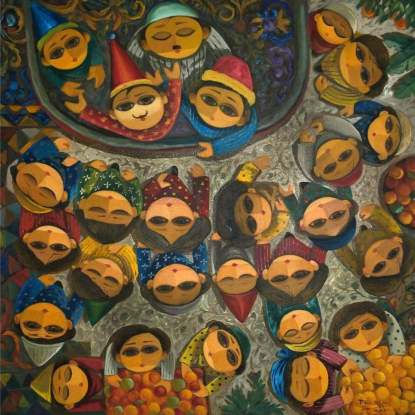
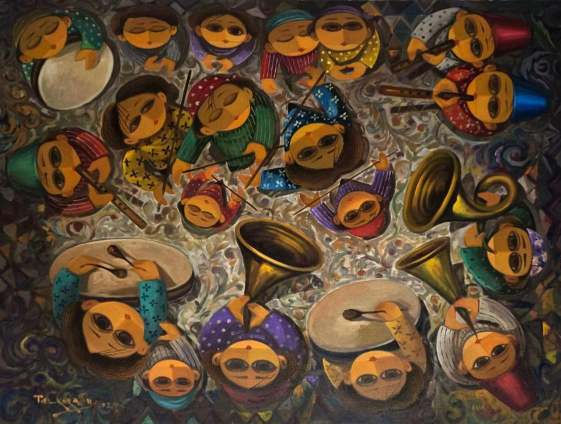
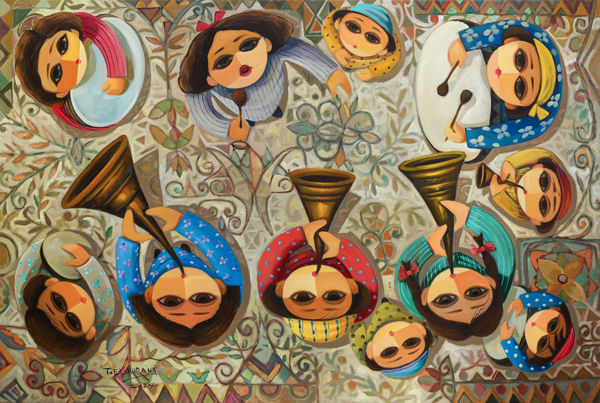
Central to El-Kourany’s visual language is his recurring use of faces inspired by the traditional Moulid al-Nabi dolls icons of Egyptian popular celebration. These stylized faces function less as portraits and more as symbolic units within a collective body, allowing the individual to dissolve into communal identity. In recent works, he adopts a bird’s-eye perspective, flattening spatial hierarchy and transforming crowds into patterned constellations of human presence. The result is a visual system where narrative unfolds through repetition, density, and collective movement rather than linear storytelling.
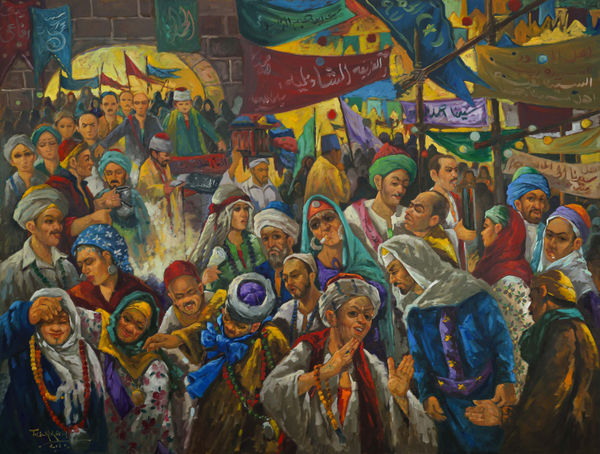
While deeply rooted in Egyptian life its markets, rituals, festivities, and social gatherings his work extends toward broader human conditions, addressing themes of unity, vulnerability, and survival. His monumental mural Hunger exemplifies this dimension, confronting the fragility of human existence through an expansive, immersive scale.
El-Kourany has held over 32 solo exhibitions between 1990 and 2023 across Egypt and internationally, including the UAE and Saudi Arabia, and has participated in more than 50 art fairs in the region. His murals are installed in major institutions including Sinai University, and his works are held in public and private collections such as Bibliotheca Alexandrina, the Ministry of Culture (France), the Ministry of Education (Kuwait), the Museum of Arts (Athens), the Opera House (Egypt), and the National Museum of Saudi Arabia.
Through scale, repetition, and ritualized imagery, El-Kourany situates contemporary Egyptian visual culture within a broader discourse on collective identity and shared humanity.


-

الست
By Taha El-Kourany 21 September 2025في الست | فوق الرأس يقدّم طه القرني تحيّة إلى أم كلثوم، الصوت الاستثنائي الذي شكّل وجدان أجيال كاملة، وصار جزءًا من ذاكرة الأمة العربية. صوتها حمل فرحة الوطن، وشجن...Read more -
غسيل أبيض ناصع
Group Exhibition 25 June 2025في زمنٍ بصريٍّ صاخب، لا يسعى هذا المعرض إلى الإدهاش بل إلى الإصغاء غسيل أبيض ناصع ليس عن البيت كجدران، بل عن الداخل كحالة، وعن لحظات تمرّ كل يوم دون...Read more

